

tinted glass black
Making V Blocks A Guide to Precision Tooling When it comes to precision machining and fabrication, ensuring that workpieces are securely held and accurately aligned is paramount. One of the essential tools that can significantly enhance the accuracy of machining setups is the V block. These simple yet effective tools are designed to provide a stable and secure base for cylindrical and rectangular objects, making them indispensable in many workshops. In this article, we will explore the process of making V blocks and the critical considerations for achieving optimal precision. What is a V Block? A V block is a special clamping tool characterized by its V-shaped groove. This unique design allows it to hold cylindrical parts vertically, ensuring they are perfectly aligned for machining, grinding, or inspection. V blocks are often used in conjunction with milling machines, lathes, and surface grinders, making them versatile tools in metalworking and woodworking industries. Materials Required To create a V block, you will need the following materials and tools 1. Material High-grade steel or cast iron is preferred for durability and stability. Alternatively, aluminum can be used for lighter prototype applications. 2. Machining Tools A milling machine, lathe, drill press, and grinding machine are essential for precision shaping and finishing. 3. Measuring Instruments Calipers, micrometers, and gauges are necessary for ensuring accurate dimensions. 4. Cutting Tools End mills, saw blades, and grinding wheels are needed for shaping the V block. Step-by-Step Process 1. Planning the Design The first step in making a V block is designing it according to your specific requirements. Determine the dimensions based on the size of the workpieces you intend to use it with. Common sizes for V blocks are 2” x 4” x 6”, but custom sizes may be necessary depending on the application. 2. Cutting the Material making v blocks Using the appropriate saw, cut the raw material to roughly the desired dimensions. Ensure that you leave some excess material for precision machining later. A bandsaw or a chop saw works well for this initial cut. 3. Machining the Block Next, using a milling machine, start shaping the base block. Mill each face to ensure that they are flat and at right angles to each other. Pay special attention to maintaining squareness, as any deviation can lead to inaccuracies during use. 4. Creating the V Groove Once the block is shaped, it’s time to create the V groove. Set up the milling machine with an end mill cutter that matches the desired width of the V. The groove typically has a 45-degree angle, making it an ideal fit for standard cylindrical workpieces. Ensure the mill is properly aligned to achieve a symmetrical groove. 5. Finishing Touches After machining the V groove, inspect it for any burrs or sharp edges. Use a deburring tool or a hand file to smooth out the edges, which will help prevent damage to the workpieces being clamped. Additionally, a grinding machine can be employed to provide a precise finish and enhance the overall surface quality. 6. Calibration and Testing Before the V block can be put to use in actual machining operations, it’s crucial to calibrate and test it. Use measuring instruments to check the dimensions precisely. Ensure that the V groove is accurately cut to the correct angle and width. Testing it on a sample workpiece will confirm that it holds securely without any slippage. Conclusion Making V blocks is a straightforward process that yields significant benefits in precision machining applications. With the right materials, tools, and techniques, hobbyists and professionals alike can produce their own V blocks to suit specific project needs. By investing time in the planning and execution phases, operators can ensure that their V blocks contribute to higher accuracy, improved efficiency, and ultimately, better quality work in their machining endeavors. Whether in a home garage or a commercial workshop, mastering the art of making V blocks is a valuable skill for anyone involved in precision tooling.
about
tinted glass black
The Importance of Spirit Levels in Construction and DIY Projects A spirit level is an essential tool that is widely used in construction and DIY projects to determine whether a surface is horizontal (level) or vertical (plumb). The humble spirit level has undergone significant evolution from its ancient beginnings, and today it comes in various types and sizes. This article focuses on a set of three spirit levels, highlighting their importance, features, and applications in both professional and amateur contexts. Understanding Spirit Levels At its core, a spirit level consists of a sealed glass tube filled with liquid, which contains a small air bubble. The position of this bubble indicates the level of the surface. When the surface is perfectly horizontal, the bubble is centered between marked lines. Conversely, when the surface is tilted, the bubble moves towards one end of the tube, indicating the direction of the slant. This simple yet effective mechanism is what makes spirit levels invaluable in achieving accuracy in construction work. The Set of Three Spirit Levels Advantages and Usability A set of three spirit levels typically consists of a short level (often 12 inches), a medium level (usually 24 inches), and a long level (36 inches or more). Each size serves a specific purpose, enhancing the versatility of the set while allowing the user to tackle different tasks with precision. 1. Short Spirit Level (12 inches) Small and portable, the short spirit level is perfect for tight spaces and small projects. It is particularly useful for hanging pictures, shelves, or installing cabinetry. Its compact size allows for easy handling and maneuvering, making it a favorite among DIY enthusiasts. set of 3 spirit levels 2. Medium Spirit Level (24 inches) This middle-sized level strikes a balance between portability and usability. It is widely used for various tasks, including grading, ensuring that longer furniture pieces like tables are level, or when aligning countertops. Its versatility makes it a go-to tool for professional contractors, as it can effectively fit into most situations without being cumbersome. 3. Long Spirit Level (36 inches+) The long spirit level is designed for larger projects, such as framing walls, laying down flooring, or checking the alignment of long structures like fences. Its extended length provides better stability and accuracy over a greater distance, which is crucial for larger-scale construction tasks. This level minimizes the risk of error that may occur when working with multiple shorter levels. Applications in Various Fields The applications of spirit levels extend beyond construction work; they are also invaluable in various industries such as cabinetry, plumbing, and electrical installation. For example, carpenters rely on spirit levels to ensure that cabinets, doors, and window frames are perfectly aligned. Plumbers often use them to check the slope of pipes, ensuring proper drainage. Even electricians use spirit levels to install light fixtures straight and evenly. Conclusion In conclusion, a set of three spirit levels is an essential investment for anyone involved in construction or DIY projects. Each level serves a unique function, allowing users to achieve precision in their work, no matter the size of the project. The combination of a short, medium, and long spirit level provides the tools necessary to tackle a variety of tasks, from the simplest home decor to complex construction challenges. With their straightforward design and reliable functionality, spirit levels continue to be a staple in the toolbox of professionals and DIY enthusiasts alike, emphasizing the age-old saying that the level is the foundation of quality work. Whether you're a seasoned contractor or a weekend warrior, having a set of three spirit levels ensures that your projects stand the test of time and look great in the process.
-

High quality industrial productsagement

High quality industrial products
View Details -

Meet the diverse needs of customers

Meet the diverse needs of customers
View Details -

Strict quality control

Strict quality control
View Details -

Top raw materials

Top raw materials
View Details -

Trusted supplier

Trusted supplier
View Details
Our application


news and information
water main shut off valves
Water main shut off valves play a critical role in maintaining the health and efficiency of any resi
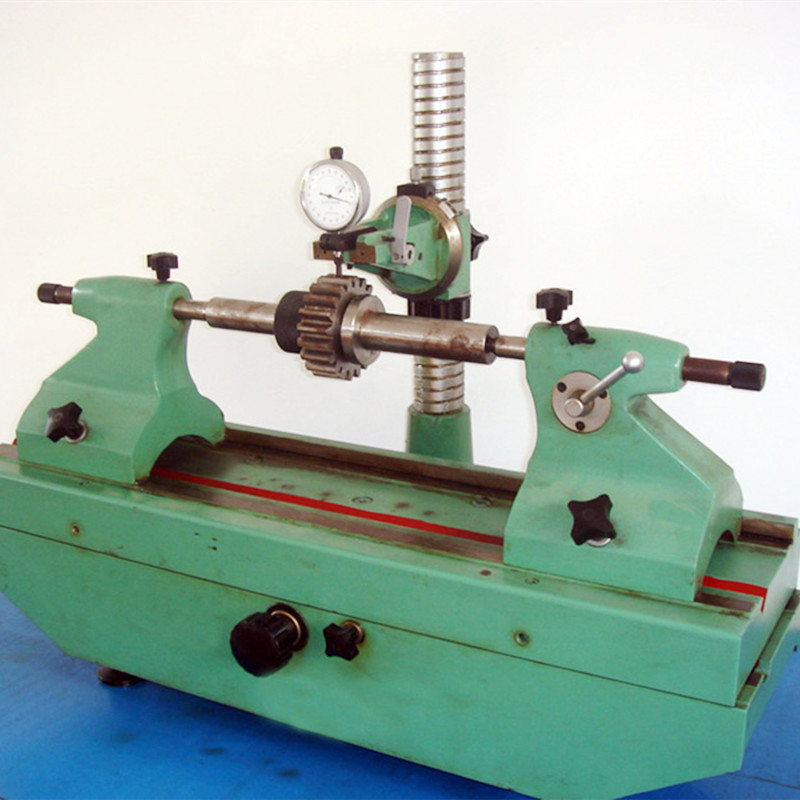
v block made of
Understanding V-Block Made Of A Fundamental Tool in Manufacturing In the world of manufacturing and
Wood Fence Post Cap
Wood Fence Post Caps Enhancing the Beauty and Functionality of Your Outdoor Space A wood fence post
 English